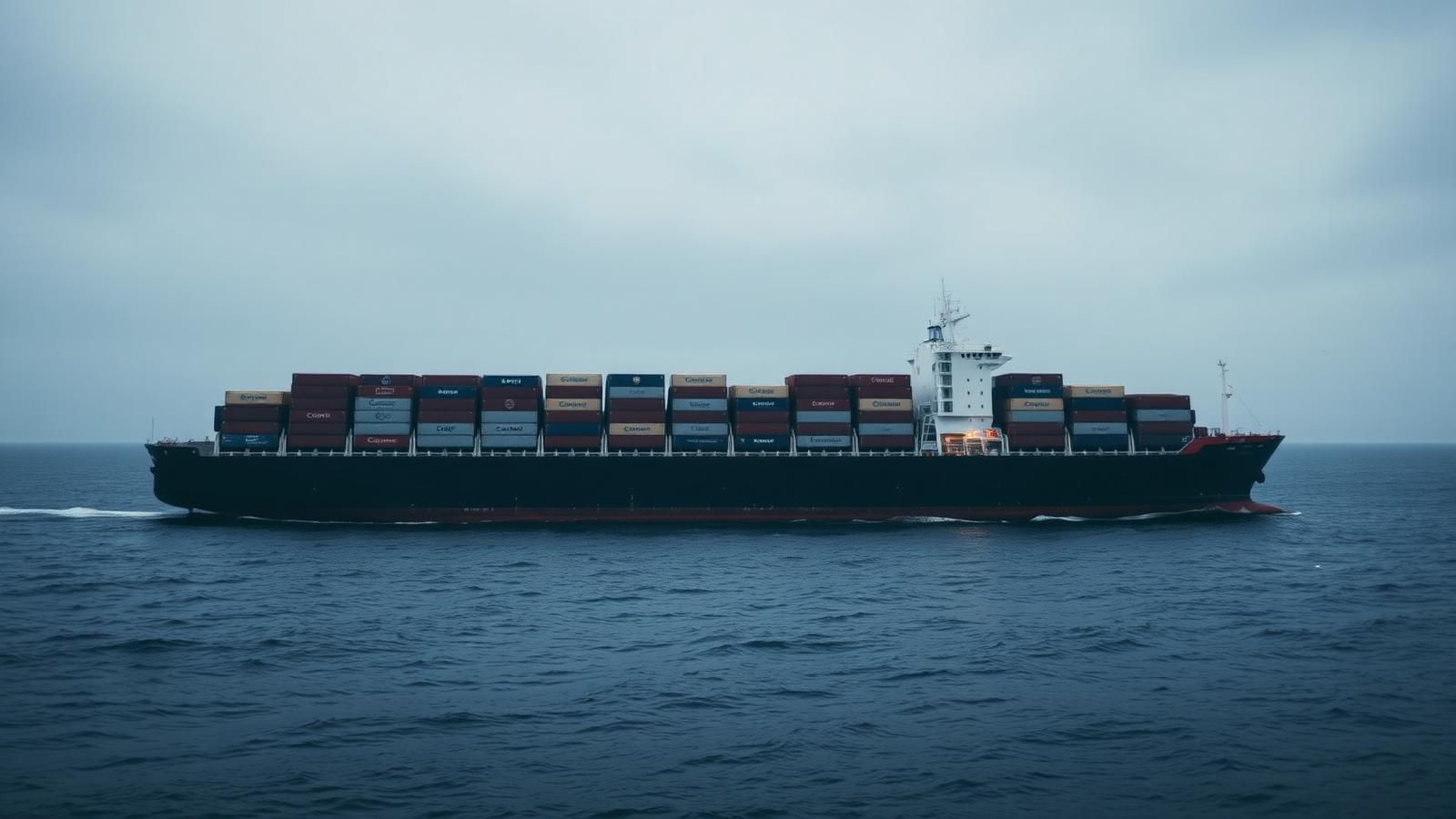
The EU-Africa trade corridor: €370bn of flow, $81bn of unmet finance
The EU is Africa's largest trading partner; the bilateral merchandise relationship is large enough that the unfinanced share of it is one of the largest structural finance gaps anywhere in emerging markets.
The EU-Africa trade corridor is large, growing, and structurally under-financed. The headline numbers are well-rehearsed: roughly €370 billion in bilateral merchandise trade in 2024 on Eurostat data; the EU as Africa's largest trading partner, taking about 28 per cent of total African trade. The trade-finance gap that sits across the corridor — the AfDB's $81.8 billion annual estimate, the IFC's lower per-country numbers, the EBRD's separate work on intra-Mediterranean trade — all point in the same direction: the corridor is materially under-served by bank-intermediated finance.
What that gap looks like in practice depends entirely on where in the corridor you stand. The remainder of this note works through it geographically.
North Africa: industrial integration with Southern Europe
Morocco runs the single largest bilateral relationship in the corridor, at roughly €60 billion in 2024 — a record, and one substantially driven by integrated automotive and aerospace supply chains with Spain, France and Germany. Tunisia and Egypt operate similar though smaller patterns. Algeria's trade is dominated by hydrocarbons and runs through a structurally different financial architecture.
North African trade finance is the strongest-served part of the corridor. The Moroccan banking system is sophisticated; the EU-Moroccan trade-finance relationship operates substantially through existing EU bank correspondent networks; the FATF-compliant status that Morocco has maintained throughout the period makes the AML cost of intermediating Moroccan flows materially lower than for most of Sub-Saharan Africa. The trade-finance gap in Morocco specifically is not a banking-access gap but a pricing gap for SME exporters whose collateral profile remains conservative.
Egypt is structurally different. The FX controls that the Central Bank of Egypt has operated through 2022 to 2024 have created episodic but severe bottlenecks for SME importers needing EUR or USD against EU purchase orders. The 2023 exit from the FATF grey list improved the underlying compliance picture; the FX side has been more volatile. Egyptian trade finance, in 2026, is more dependent on Suez-region working-capital structures and EBRD-mediated facilities than on direct correspondent banking flows.
West Africa: cocoa, cashew, oil — and the ECOWAS4 gap
The IFC's 2022 West Africa Trade Finance Report measured the ECOWAS four — Nigeria, Ghana, Côte d'Ivoire, Senegal — at roughly $14 billion of unmet trade-finance demand a year. The gap concentrates in upstream commodity flows: cocoa pre-shipment finance for Ivorian and Ghanaian cooperatives, cashew and sesame export finance for Nigerian SMEs, palm-oil aggregation finance across the region.
The EU side of these flows is unusually concentrated. The Netherlands is the single largest EU buyer for West African cocoa, with Rotterdam and Amsterdam as the dominant entry ports for the European cocoa supply chain. Germany takes the bulk of the processed-cocoa imports for confectionery production. Belgium and France complete the principal buyer set. For a West African cocoa exporter, the EU is effectively four buyer countries; the bilateral relationship is more concentrated than the headline corridor suggests.
The structural exception in West Africa is the CFA franc zone. The euro peg, combined with the BCEAO's administrative settlement procedures, has historically created a settlement-friction tax that EURC and other EUR-pegged settlement rails are beginning to remove. The full economic effect of this on the CFA-zone trade-finance gap is not yet visible in published data; the on-chain growth indicators suggest it will be material.
East Africa: horticulture and processed food, with northern Europe
Kenyan trade with the EU runs at roughly €3.2 billion a year, dominated by horticulture: cut flowers to the Dutch auction system, premium tea to the UK and Germany, fresh vegetables to the EU's processed-food supply chain. Ethiopia and Tanzania add to the regional flow. East Africa's EU trade is therefore concentrated in a small number of high-frequency, time-sensitive flows where settlement speed is more important than ticket size.
The trade-finance gap in East Africa, on AfDB data, is structurally different from West Africa. The Kenyan banking system is among the deepest in Sub-Saharan Africa; M-Pesa and its successors have created an SME population accustomed to digital-first financial services; the Capital Markets Authority's VASP licensing regime has brought stablecoin settlement inside the regulatory perimeter earlier than in West Africa. The constraint is less correspondent-banking depth than receivables-finance availability for the open-account terms that EU horticultural buyers operate on.
This last point matters. FloraHolland and the other EU horticultural auctions settle on 30 to 60 day terms. A Kenyan flower exporter shipping weekly to Aalsmeer carries a permanent receivables book of perhaps €1.5 to 2 million in confirmed EU paper. The Kenyan banking system has historically been unwilling to advance against EU receivables because of cross-jurisdictional enforceability concerns. The trade-finance gap, in this corridor, is the financeability of those receivables — which is exactly the kind of problem that a properly structured external advisor can resolve.
Central Africa and the southern cone
Cameroonian, Gabonese, and Central African Republic trade flows with the EU are concentrated in timber, rubber and oil. Trade finance for these flows is dominated by major commodity traders working with their own bank lines and is not directly comparable to the SME-tier gap that characterises the rest of the corridor.
South Africa runs roughly €40 billion in bilateral EU trade and operates a banking system whose depth is broadly comparable to lower-tier EU markets. The trade-finance gap in South Africa is a niche issue rather than a structural one; the work in this corridor is at the boundary, with smaller SADC counterparties such as Namibia, Botswana, Zambia, and Zimbabwe, where banking depth declines sharply.
The policy frameworks that shape the corridor
Three frameworks matter for the medium-term direction.
The Economic Partnership Agreements (EPAs) between the EU and individual African groupings provide preferential tariff treatment that has materially supported the corridor's growth since the mid-2010s. Ghana, Côte d'Ivoire, Kenya, and the SADC EPA group each operate under distinct EPA arrangements that affect specific tariff lines and origin rules.
The African Continental Free Trade Area (AfCFTA), in force since 2021, is gradually building toward continent-wide tariff liberalisation. The Guided Trade Initiative that AfCFTA launched in 2022 designated specific pilot corridors — including Senegal, Tunisia, Cameroon, Egypt, Ghana, Kenya, Mauritius, Rwanda and Tanzania — for accelerated tariff and trade-facilitation implementation. The implications for EU-Africa trade are indirect but real: a more integrated intra-African market changes the underlying supply geography that EU buyers source from.
The EU's Global Gateway investment plan, announced in 2021 and implemented since 2022, sets a €150 billion EU-side commitment to African infrastructure and supply-chain development. The trade-finance implication is the systematic involvement of European DFIs and ECAs in supply-chain projects that would historically have been bank-intermediated; EIB, KfW, Bpifrance, and CDC International are increasingly co-financing the corridor flows that this note describes.
What the corridor needs from advisors
Three things, in increasing order of consequence.
It needs intermediation that brings corporate-credit-risk African receivables to tier-one EU bank balance sheets on terms the bank can underwrite. That is the gap the existing system most visibly cannot close. It needs documentation discipline that allows non-standard settlement architectures — EURC, regulated USDC, hybrid SEPA and stablecoin legs — to be defensible to bank credit committees, corporate auditors, and regulators on both sides. And it needs commercial structures that integrate the EU policy frameworks above with the underlying trade flows, so that EPA preferences, AfCFTA tariff treatment, and Global Gateway co-financing are routed through transactions in ways that actually reach the SME-tier counterparties who are the missing segment.
This is the work the EU-Africa corridor most needs done in the second half of this decade. It is also the work that a boutique advisor, working with both sovereign and corporate counterparties, is best placed to do.
- 01EU-Africa Trade FactsheetEurostat / European Commission · 2024
- 02Trade Finance Demand and Supply in AfricaAfrican Development Bank
- 03Why African trade finance is brokenHinrich Foundation